



The Basics Of Bear Baiting
Bear baiting is one of the most misunderstood practices in all methods of hunting. From the outside, people assume it’s as simple as dumping a pile of food in the woods and waiting for a bear to wander in. The reality couldn’t be further from the truth. Done right, bear baiting is a calculated, labor-intensive process that requires strategy, discipline, and a deep understanding of bear behavior. It’s not about making things easy—it’s about stacking the odds through consistency, reading signs, and putting in the kind of work most people never see.

At its core, bear baiting is about consistency, patience, and understanding how a bear thinks—as best you can anyway. You’re not just dumping food in the woods and hoping something shows up. You’re creating a pattern, building trust, and slowly convincing one of the most cautious animals in North America to commit in daylight.
It’s also important to remember that there are differing opinions on the perfect food to use as bait. The answer simply depends on who you ask. There are a lot of cooks in the kitchen, so to speak. I’ve talked with dozens of hunters and outfitters over the years about their magic concoctions of bear bait, and while the specific details may vary, one thing’s for certain—bears love sweets! Grease, pastries, dog food, grains—anything high in energy works too. I’ve used everything from donuts and cookies to trail mix and frosting. In the sixteen years I’ve been hunting black bears, there have been all kinds of sweet goodies at our sites and bears love them all. I do know outfitters that use rotten beaver carcasses and have found success using that horrendous method, but trust me, It’s not fun sitting on a stand and having the wind blow in your direction with a decaying beaver wafting in your face.
The key is scent and longevity. You want something that pulls them in from a distance and keeps them working the site once they arrive. A good bait doesn’t disappear in one sitting, and it doesn’t spoil immediately. For example, if you’re using dog food for a filler and it gets wet and moldy, bears will not eat it unless they’re out of options. Why bears do not like moldy dog food or spoiled deli meat, but they love rotten decaying beavers is beyond me, but it’s been my personal experience in the past 15 years. When our bait has gotten wet and moldy, the bears simply leave it to go find a better, sweeter option.
I think another key to our success in baiting bears is using extra attractants. I’ve used Boarmasters sprays, oils, pastes and bulk sweets for the past decade and I truly believe they work in putting sweet aromas into the wind to be carried canyon to canyon. When we’re done refreshing our sites, it smells like I would imagine Willy Wonka’s factory to smell like. A bear's sense of smell is hundreds of times stronger than ours and using attractants can help your site get noticed by every bear in the area.

Another key factor to understand is location matters just as much as bait. You want to be where bears already are—not where you wish they were. Look for bear scat, tracks, natural travel corridors: thick bedding areas, cool, north-facing slopes, water nearby, and limited human pressure. If you’re setting up in a spot that doesn’t naturally hold bears, you’re fighting an uphill battle from day one. One of the most important factors in picking a site is figuring out typical wind movements. What are the winds doing in the evenings when you’re planning on sitting? As the air cools in the late afternoon/early evening, you will want to be on the downhill side of the site. Your stand placement needs to account for wind, approach, and visibility. Bears will almost always circle downwind before committing, so if your setup doesn’t allow for that, you’re going to get busted. Keep your access quiet, your personal scent controlled, and your entry consistent. The less you disturb the area, the more comfortable bears will be showing up during shooting light.
The goal is to make your bait site something they can rely on. That means keeping it stocked and keeping it fresh. If a bear hits your bait and finds it empty more than once, there’s a good chance he won’t come back, especially a mature boar and if there’s another hunter’s bait site he can simply move to. Many experienced baiters will add scent trails leading into the bait to help guide bears in, especially early in the season when they’re still figuring things out.

Timing is another piece people overlook. Most bait sites start as nighttime visits. That’s normal. As bears become comfortable and competition increases, they’ll start hitting during daylight. This is where patience pays off. The longer a site runs undisturbed, the better your odds of seeing a mature bear in shooting hours. But one important thing to remember if you’re in an area with a lot of other bear baiters, if your site goes empty, the bears may simply go elsewhere. It’s a fine line between not disturbing the site too much but keeping it loaded with attractive food and then actually sitting in the stand. Trail cameras are an important tool for figuring out what’s going on at the site all hours of the day.
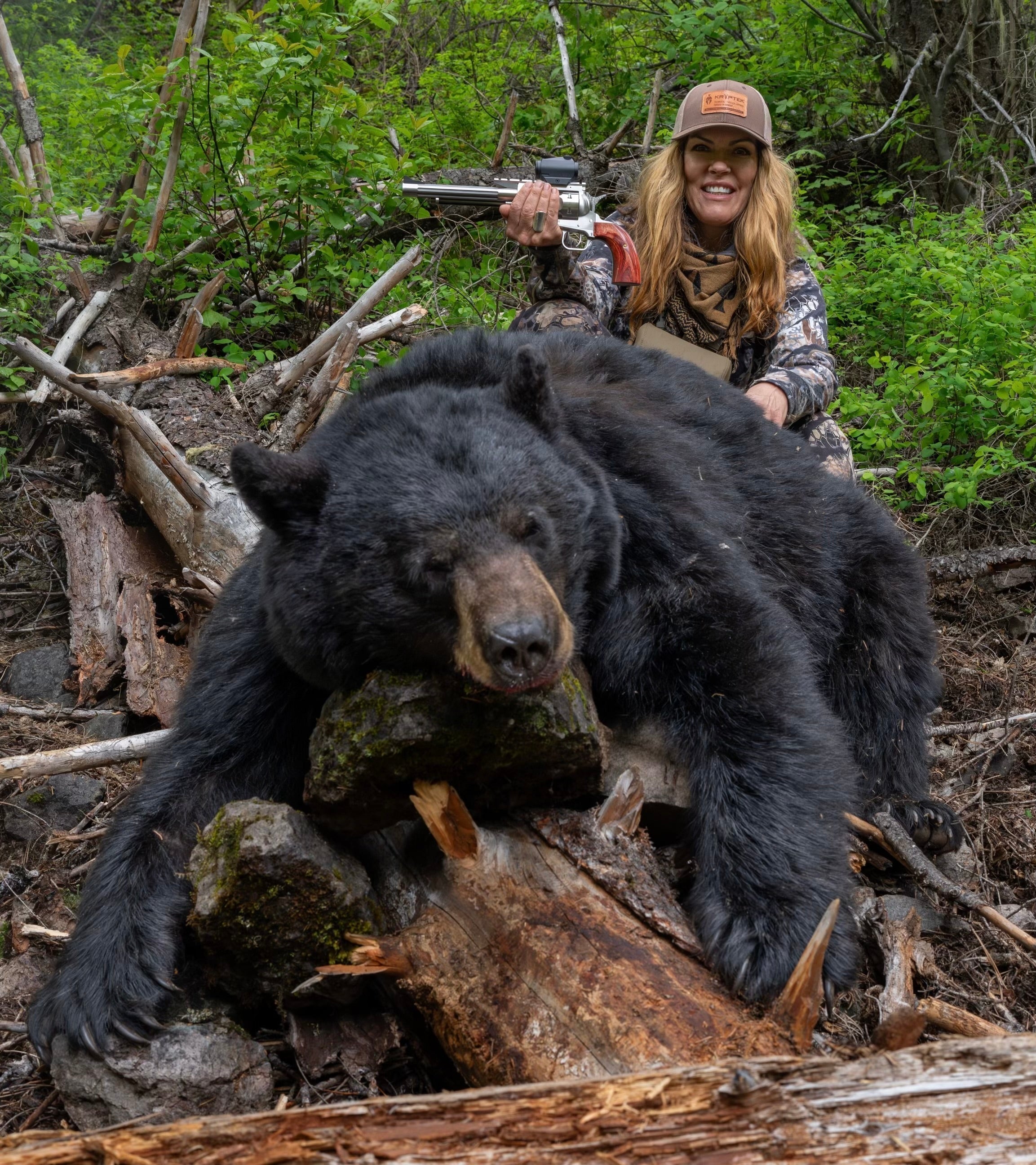
Judging bears is a skill in itself. Big bears don’t always look big, especially without reference like a barrel. Pay attention to ears, head size, and body proportions. A mature boar will look blocky, with small looking ears set wide apart and a heavy, swaggering walk. Rushing a shot on the wrong bear is one of the most common mistakes new bait hunters make. Sows typically have a more narrow head and bigger, rounder rumps, but it’s easy to make a case of mistaken identity early on in your bear hunting journey.

Finally, respect the process. Bear baiting isn’t just about killing a bear. It’s about managing a site, learning animal behavior, judging the sex and age of the bears and earning the opportunity. The spring rut also adds excitement to the mix because you can have new bears on your bait every day. Boars will travel many miles in search of sows in heat, which creates new opportunities. Check your state’s regulations on baiting and trail cameras and make sure you’re following the law. Do it right, and baiting becomes more than a tactic—it becomes a system. It’s an exciting game of cat and mouse and a very effective way of managing one of North America’s most iconic predators.
Author:
Jana Waller-Bair
Kryptek Legion
