



A Mild Winter Out West: What Hunters Can Expect This Fall

How a Mild Winter Could Shape the 2026 Fall Hunting Season:
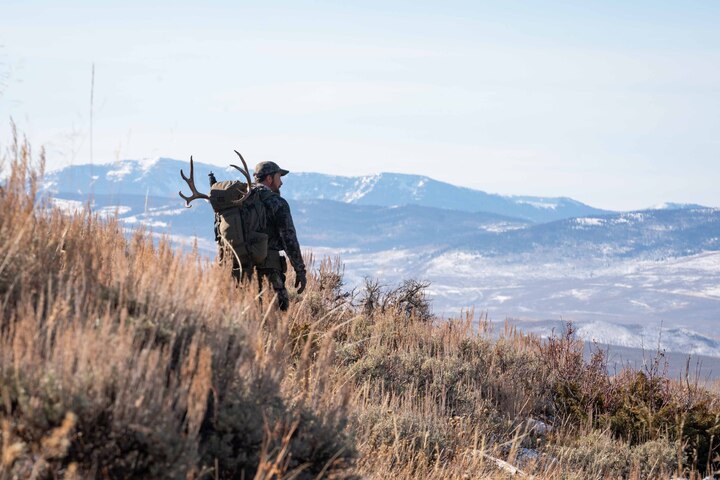
In most states out west, it has been an unseasonably warm winter with very little snow compared to past years. Sure, higher elevations are getting snow, but the winter ranges of mule deer and elk seem to be having quite a mild winter up to this point. This is much needed after having some harsh winters in the past few years. What may this mean for the fall seasons ahead?
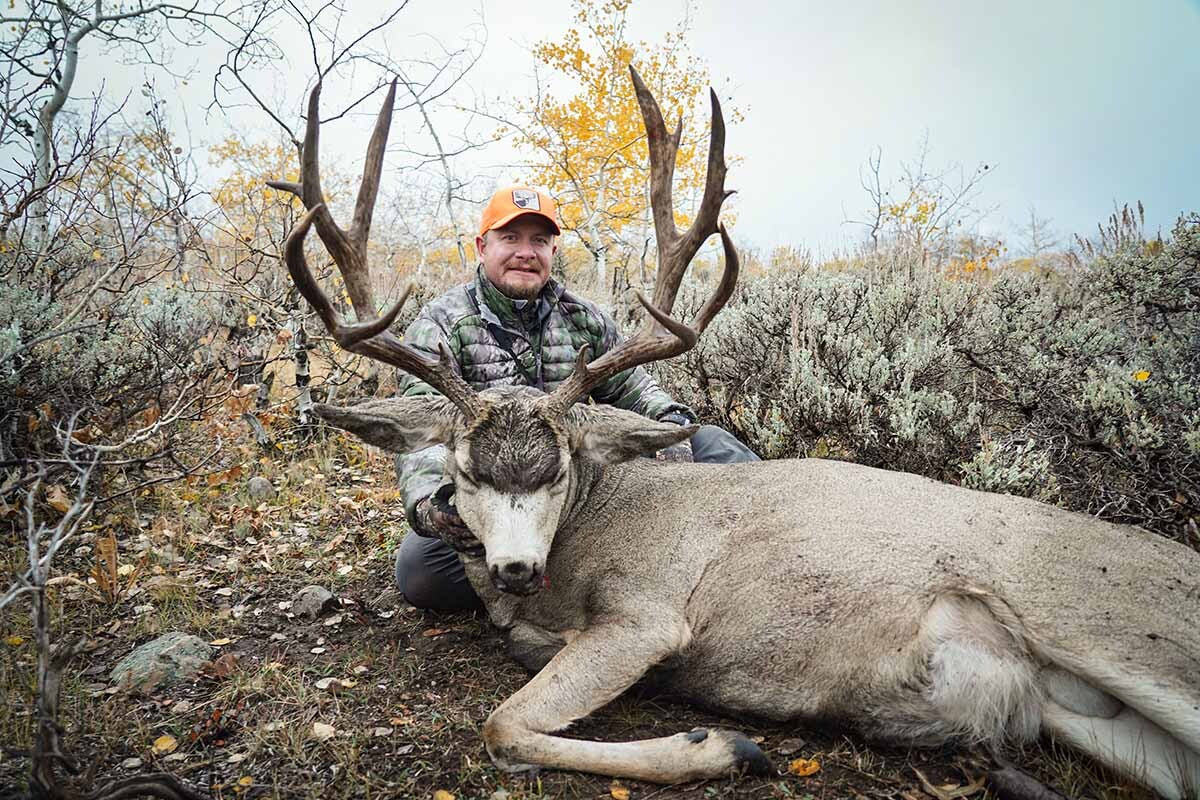
First and foremost, the most obvious thing that comes to my mind is that there will be a higher winter survival rate. The obvious holds true; with the higher survival rate we will head into the fall hunting seasons with a greater population of big game in the forecast. More animals in the field means more opportunity, and more reason to make sure your setup is dialed before opening day. Rough winters generally take out many mature bucks and bulls and with the mild season, many of them will be returning to our hunting grounds to bless us for another year.
It is great to have a mild winter to help the big game populations but that is not everything that is needed for the best fall season recipe. It remains drier than normal in many areas and the lack of snow will directly affect the game’s feeding patterns and areas coming into the spring and summer. Pray for some good spring moisture to get an early boost in antler growth and steady antler growth throughout the summer growing season. Crystal ball questions always hold true as to what the spring will bring for moisture and forage growth. This will also directly impact the areas in which many of these game animals will return to for their summer and fall range.
You can look at moisture a couple of different ways. A wet season will have big game scattered across a wider playing field versus a dry season where water is limited. A dry year can push animals into areas where water is present, making it easier to find concentrated numbers of animals in particular areas. Each has its pros and cons for obvious reasons. A wet year will ultimately help the animal’s health and make for good antler growth and reproduction; but they may be scattered across a larger playing field making it seem as if populations are down. In areas with water during dry years, it tends to seem like the population is good as well, while dry areas make it seem like populations are down. It is up to us to pursue the areas that hold the greatest numbers of game to up our chances.

Migration routes also change from year to year depending on the weather. Many migration hunts depend on weather to directly relate to the timing of the hunts. Some early season migration hunts may suffer a bit when we have a mild winter as the animals we pursue are moving later into the seasons. On a mild year, a migration hunt that is later may be a better hunt with more opportunity. However, generally a mild winter, deer mortality may go up as less animals are harvested on migration hunts. Depending on the hunt a mild winter doesn’t always mean better hunting for certain seasons.
Overall, the mild winter we have seen this year will help with the big game populations going into 2026. Many of the mature bucks and bulls will be returning to hunting grounds healthy and ready to outsmart us, as in years past. Those of you blessed enough to run across one of your choosing, be sure to thank the good Lord for the opportunity!
Jared "J-Rod" Bloomgren
Kryptek Legion
